Christmas is celebrated in many countries around the world, but the traditions surrounding the holiday can look very different from one place to another. From colorful parades and candlelit processions to unusual foods and centuries-old customs, Christmas reflects the cultures and communities that celebrate it.
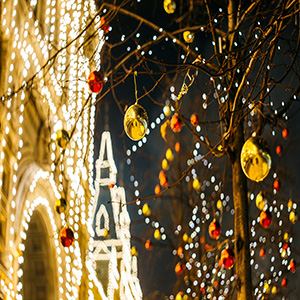
In the Philippines, the Christmas season is one of the longest in the world. Celebrations can begin as early as September and continue into January. One of the most recognizable features of a Filipino Christmas are the parols, colorful, star-shaped lanterns symbolizing hope and the Star of Bethlehem. Cities and neighborhoods decorate their homes with elaborate displays of lights, creating a bright and festive atmosphere.
Mexico celebrates the holiday season with Las Posadas, a nine night tradition held from December 16 through December 24. Participants recreate Mary and Joseph's search for shelter before Jesus' birth, traveling from house to house while singing traditional songs. The evenings usually end with food, drinks, music and piñatas, bring families and communities together.
In Sweden, the Christmas season begins with St. Lucia Day on December 13. Children often participate in processions led by someone dressed as Lucia, who wears a crown of candles. Communities gather to sing traditional songs and serve saffron-flavored buns called lussekatter. The celebration is especially meaningful during the darkest part of the Scandinavian winter as it symbolizes light and hope.
On the thirteen nights leading up to Christmas, children in Iceland enjoy a particularly entertaining holiday tradition. Icelandic homes are visited by the thirteen Yule Lads, generous gift-givers with a side of troublemaking. Children who behave well may find small gifts in their shoe left by the window, while those who misbehave receive a potato, either raw or rotten. In return the children will leave laufabraud, a traditional Icelandic Christmas bread.
While Italian children receive a visit from Santa in December, another visitor comes bearing gifts the night before the Epiphany on January 5, La Befana. Folklore describes La Befana as a witch-like figure who rides a broomstick to visit children leaving gifts those who were good and leaving coal or garlic to those who have misbehaved.
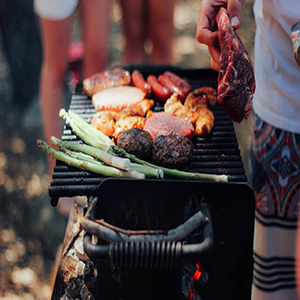
Christmas in Australia takes place during summer, giving the holiday a distinctly different atmosphere. Families may celebrate with backyard barbecues, beach outings and outdoor gatherings. Santa Claus will trade his sleigh in for a surfboard and roast dinners may be substituted with shrimp thrown on the barbecue. For many Australians, warm weather and time spent outside are central parts of the holiday experience.
Germany is closely associated with many familiar Christmas customs, including Advent calendars and Christmas markets. During December, towns transform into festive marketplaces filed with handmade crafts, decorations, music and seasonal foods. Families also light candles on an Advent wreath as they count down to Christmas, creating a sense of anticipation throughout the season.
In Norway, Christmas Eve is often the main day of celebration. Families gather for a special meal that may include ribbe, or pork ribs, pinnekjott, or slated and dried lamb ribs, along with other regional favorites. After dinner, families exchange gifts and spend time together, emphasizing the importance of home and family.
Christmas has also developed into a popular seasonal celebration in Japan, even though it is not a traditional religious holiday for most people out there. One especially unusual custom is enjoying fried chicken for Christmas dinner. A successful marketing campaign in the 1970s helped establish the tradition, and today many families preorder their Christmas meals weeks in advance.
In Ethiopia, many Orthodox Christians celebrate Christmas, known as Genna or Ganna, on January 7th. The holiday often includes church services, traditional clothing, music and gatherings with family and friends. A popular pastime on Christmas Day is the traditional sport Yeferas Guks. The game is played on horseback and involves combatants throwing ceremonial spears at each other, in an attempt to knock their opponents off. It is uncommon to exchange gifts, festivities focus on community and commitment to faith.
Although Christmas traditions vary widely, they often share the same themes: family, generosity, food, music and community. Whether celebrated beside a snowy Christmas tree, beneath colorful lanterns or on a sunny beach, the holiday offers people everywhere an opportunity to come together and create traditions of their own.



View Comments